Office Clearance in Notting Hill
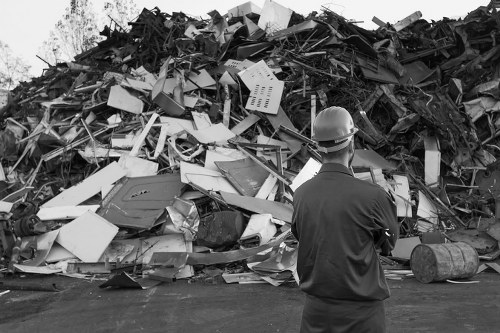
Office Clearance Notting Hill provides a focused office clearance service for businesses that need desks, chairs, filing, IT items, partitions and general workplace contents removed with care. The service is designed for offices of different sizes, from compact studio spaces to multi-room premises, with a clear emphasis on orderly handling, sensible sorting and practical disposal. When a workspace needs to be emptied, reduced or reconfigured, we can help with the physical clearance side so the process is easier to manage.
Our work can include clearing individual items, grouping office contents for recycling or reuse, and removing bulkier pieces that are awkward to shift through shared entrances or narrow corridors. We also deal with a mix of everyday office materials, such as paper archives, shelving, reception furniture and miscellaneous stockroom contents, so the clearance can be planned around what is actually on site rather than around a one-size approach. Careful removal matters in working buildings, especially where access, lift use and neighbouring tenants need to be respected.
If you are comparing options, it is usually best to start with a clear list of the spaces and items involved. A short enquiry describing the office type, the likely volume and any access restrictions gives a more accurate starting point. Contact us to request a quotation and we can discuss the most suitable way to handle the clearance.
Office items we clear
Office clearances rarely involve only one kind of waste. A typical job may include workstations, task chairs, meeting tables, storage cabinets, desktop equipment, boxed paperwork and loose furnishings that have built up over time. We can clear mixed contents in a sensible sequence so heavier items are removed safely and smaller materials are dealt with afterwards. That approach helps when the office needs to stay partly usable during the process, or when contents from several rooms need sorting before the space is handed back.
Where items are suitable for onward use, they may be separated from material that is better handled as waste. This can be useful for offices that are changing furniture layouts, consolidating departments or replacing old pieces in stages. It is also helpful where there are awkward items such as old printer stands, laminate screens or mixed storage units that cannot simply be lifted away in one pass. The aim is to make the clearance practical, not to overcomplicate it.
Desks, storage and shared areas
Desks and storage units often take the most space and can define how a clearance needs to be planned. Large boardroom tables, pedestal drawers, locking cupboards and reception counters may need to be moved in sections or carried through a route that has been checked in advance. Shared areas can add their own requirements, especially in managed buildings where hallways and lifts must remain tidy. In those settings, an organised sequence keeps the clearance efficient and respectful of the building environment.
What a business clearance can involve

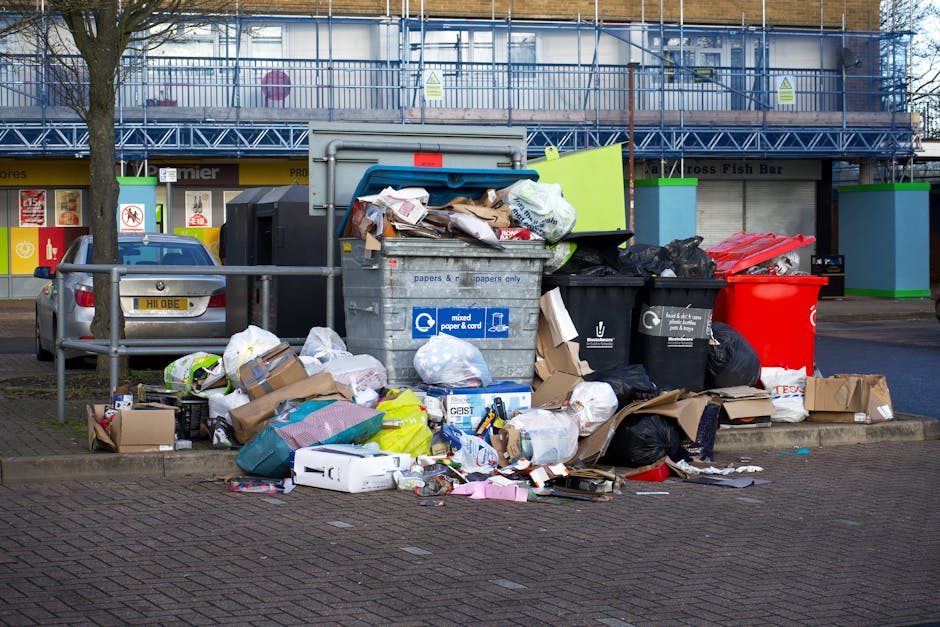
We can also assist with broader business clearances where the office contents form part of a larger move, closure or renovation. In those situations the work may extend beyond desks and chairs to include storage rooms, kitchen items, display furniture, archive boxes and general workplace clutter. The process is usually most effective when the most accessible items are identified first, followed by the heavier or more time-consuming pieces. That makes it easier to keep the work moving without losing track of what remains.
For many customers, the key decision is whether the job needs a targeted office clearance or a wider business waste removal. A targeted clearance is often the right choice when the main aim is to empty a workplace, while a broader removal service may suit locations where different kinds of commercial waste are mixed together. We can help keep those categories clear so the quotation matches the actual work, not a guess about the scale. business waste removal may be relevant where the contents include more than standard office furniture and files.
It can also be useful to consider whether the space contains items with different end points. Some pieces may be reusable, some suitable for recycling and some simply ready for disposal. By separating those groups properly, the clearance can be more orderly and easier to explain. If you already know which rooms or item types need attention, that detail is worth including at the start because it helps shape the plan and reduce avoidable back-and-forth.
Planning the clearance around your premises
Office clearances are often shaped by the building itself. Access routes, stairs, lifts, loading restrictions and shared reception areas can all affect how the work is carried out. For that reason, a well-planned clearance focuses on the actual route the items must travel, not just the room they start in. If a desk has to move through a narrow corridor or a storage cabinet sits in a top-floor office, those details matter when deciding how the work should be organised.
There is also a difference between clearing a working office and clearing a vacant one. A live workplace may need the work split into stages so staff can continue using other rooms, while an empty suite can often be handled more directly. Either way, clear information about floors, entrances and any items that must remain in place helps keep the job efficient. The same is true when a company is preparing for refurbishment, downsizing or tenancy handover.
Useful details for a quotation usually include the approximate number of rooms, the main item categories and any special access considerations. A quick inventory, a simple note about photos if helpful, and a description of anything heavy or awkward can all make the quotation more reliable. We do not need every item listed individually, but the more accurate the outline, the more useful the response will be. That is especially true where the clearance is tied to a moving date or building rule.
Furniture, fittings and work area contents
Many office clearances are dominated by furniture rather than by loose waste. Chairs, desks, cabinets, shelves, sofas in reception areas and meeting tables can all require different handling depending on their size and condition. Some items may be straightforward to remove, while others need more careful manoeuvring because of weight, shape or fittings. We can work through those items in a practical order so the main spaces are cleared without unnecessary disruption.
There is also a useful distinction between fixed-looking items and moveable contents. A fitted room divider, for example, is not treated in the same way as a standalone screen or a freestanding cabinet. That distinction matters because office spaces often contain a mixture of both, and a sensible clearance should not assume that every item can be handled identically. Where there are awkward fittings, it is better to flag them in advance so the method can be matched to the task.
Furniture disposal and recycling choices
Some customers need a full removal, while others simply want certain items taken away because they have been replaced or are no longer needed. In those cases, furniture disposal may be the most appropriate route, especially for bulky pieces that are difficult to move internally or store temporarily. Where possible, items are considered for recycling or other responsible handling, with the aim of keeping the process orderly and sensible. furniture disposal can be a useful page if your main concern is the removal of individual pieces rather than the whole office.
Archives, paperwork and sensitive office contents
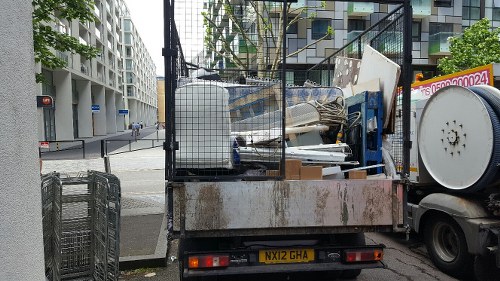
Offices often contain paperwork, archived files, boxed records and mixed document storage that cannot be treated like ordinary furniture. These contents may be old, current, confidential or simply accumulated over years of use. A careful office clearance should recognise those differences so the material is sorted appropriately rather than thrown together. Where there is a lot of paperwork, the job can be approached by room or by storage type, which makes it easier to stay organised.
It is sensible to keep one point in mind: not every office item belongs in the same removal category. Papers, office stationery, folders, manuals and archive boxes may need separating from desks, shelving and electrical items. That is one reason why a clear description at the enquiry stage is valuable. If there are records that need secure attention, or storage rooms full of mixed contents, those points should be made early so the quotation reflects the nature of the work and the handling required.
For offices that are being emptied at the end of a lease, document-heavy spaces can take longer than they first appear because boxed records are often stacked in cupboards, under desks and in spare rooms. A realistic clearance plan looks at the total volume, not just the obvious furniture. If you need help planning that process, contact us and tell us what the office contains so we can discuss a quotation.
About Notting Hill
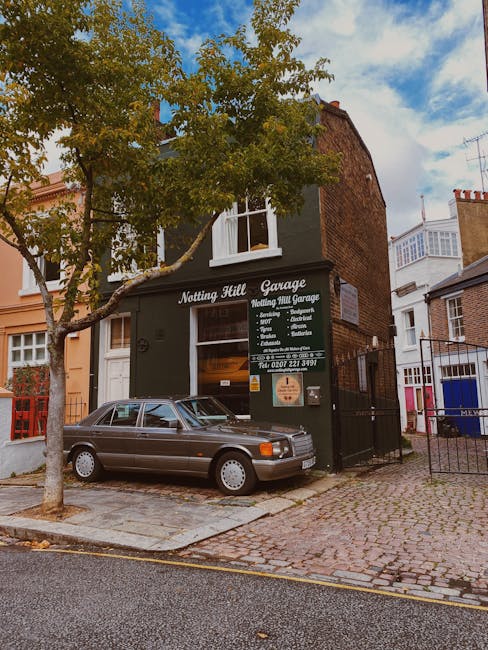
Notting Hill is an area in West London best known for its terraces, garden squares and long-established mixed residential character. It sits within the Royal Borough of Kensington and Chelsea, close to Paddington, Holland Park and Kensington, and its streets combine elegant stucco-fronted houses with mews lanes, mansion blocks and a busy commercial strip around its main thoroughfares. The district grew significantly in the nineteenth century as London expanded westward, and much of its built environment reflects that period of speculative urban development, later altered by post-war change and regeneration. The area is also closely associated with cultural events and public life, especially the annual Carnival, which draws on the neighbourhood’s Caribbean heritage and has become one of the best-known street festivals in the country. Portobello Road Market is another defining feature, stretching through the area and known for antiques, food stalls and a dense mix of traders that gives the district a distinctive commercial rhythm. Beyond the market streets, Notting Hill contains a network of leafy communal squares and residential roads that are admired for their architectural consistency and varied facades. Its close proximity to major transport routes and central London landmarks has long supported a lively blend of housing, independent shops, cafes and local services, while the side streets retain a quieter, more domestic atmosphere. This mix of grand terraces, market activity and neighbourhood-scale streets gives Notting Hill a layered identity that combines history, culture and everyday urban life in one compact part of the capital.
Managing office waste in stages
Some offices are best cleared in stages rather than all at once. That can be the right approach when a company is moving department by department, refurbishing one floor at a time or keeping part of the building in use during works. Staged clearances reduce pressure on the space and allow decisions to be made as the job progresses. They also help when certain items need to be checked, tagged or set aside before the remaining contents are removed. office clearance is a useful starting point if you want the main service explained in one place.
In practical terms, staging means separating what is going, what is staying and what needs review. That may include older storage units, redundant monitors, surplus chairs, whiteboards, meeting tables and forgotten stock from cupboards or side rooms. A room-by-room or floor-by-floor structure makes it easier to stay in control of the process, especially in offices with several teams or a mixture of private rooms and shared workspaces. It is usually better to be methodical than to rush and create confusion.
If the workplace is changing use, the clearance can be planned around the new layout rather than the old one. For example, a room that used to store files may become a meeting area, or a row of desks may be replaced by open-plan workstations. Clearing with the future layout in mind helps identify what no longer belongs in the space. It also makes it easier to prioritise items that block access or take up disproportionate room.
Support for larger workplace clearances

Not every job is limited to one office suite. Larger workplace clearances may involve multiple rooms, corridors, storage areas and support spaces such as kitchens, copy rooms or reception areas. In those settings the aim is to keep the work manageable by identifying the main contents of each area and deciding on a sensible order. Heavier furniture, loose equipment and general waste are often best handled as separate groups, even when they are removed in the same visit.
Some businesses also want a clearer distinction between clearance work and ongoing facilities management. That can matter when part of the site is active, part is being vacated and part is awaiting fit-out. In a mixed-use or multi-tenant building, access, quiet working times and shared spaces all need to be respected. A practical clearance should therefore be organised with the building layout in mind, not just the list of items to be removed.
Where useful, we can also discuss how the job might fit around relocation or handover deadlines. A short timeline, a description of any fixed furniture and a note about items that must remain until the last stage can all help shape the process. pricing and quotes may be helpful if you want to understand how a clearance request is usually assessed.
Clearance, disposal and sustainability
Responsible office clearance is not only about removing items; it is also about deciding what should happen to them afterwards. Furniture, mixed office materials and electrical items do not all follow the same route, so a sensible service looks at each category separately. That allows usable or recyclable items to be separated from materials that are simply ready for disposal. It is a straightforward way to keep the process cleaner and more considered from start to finish.
Businesses often prefer a clearance that is organised with reuse and recycling in mind, especially when there are multiple desks, storage pieces or equipment items that still have some life left in them. That does not mean every item can be reused, but it does mean the clearance can be approached in a more thoughtful way. recycling and sustainability explains more about how mixed contents can be handled where environmental consideration is part of the brief.
If you are not yet sure how much needs to be removed, you do not need a full item-by-item list before making contact. A brief description of the office type, the rooms involved and the main categories of contents is often enough to start. Two or three clear notes can be more useful than a long but uncertain description, especially when the office contains a mixture of furniture, paperwork and older equipment.
Choosing the right clearance approach

Different offices call for different levels of support. A small suite with a few redundant desks may only need a straightforward clearance, while a larger or more complex workplace may benefit from a broader plan that covers storage rooms, archive material and mixed furniture. The right approach depends on the contents, access and timing rather than on the size of the business alone. By matching the service to the actual task, the job becomes more manageable and easier to explain.
If your office contains item groups that are especially bulky, awkward or numerous, it may be worth mentioning them separately in your enquiry. That could include conference tables, metal cupboards, reception units, archive shelving or stacks of mixed boxes. A clear request gives us a better starting point for a quotation and helps identify any areas that need more time or a different method. In many cases, that is all that is needed to begin.
When you are ready, ask for a quotation and include the main item categories, the location within the building and anything that could affect access or timing. If you prefer, you can also mention whether the clearance is part of a move, a refurbishment or a full office emptying. That context helps shape a practical response and keeps the conversation focused on the work that needs doing.