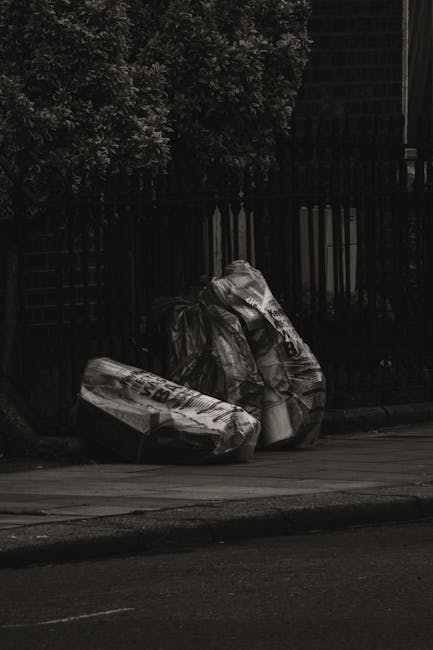
Portobello Road Rubbish Clearance: Best Local Options
Portobello Road has its own rhythm: busy footfall, narrow access points, flats above shops, back mews, and the kind of regular clutter that builds up faster than you expect. If you are dealing with a one-off clear-out, old furniture, builders' debris, or general household waste, choosing the right rubbish clearance option matters. The wrong choice can mean delays, awkward parking issues, surprise charges, or waste that is not handled properly.
This guide explains the best local options for Portobello Road rubbish clearance, how the process works, what to look for in a reliable provider, and how to avoid the common mistakes that make a simple job harder than it should be. Whether you are clearing a flat, managing a shop, or just trying to regain some breathing room at home, you will find practical advice here.
If you want a service that is straightforward and professionally handled, it helps to understand the full range of clearance choices first. For broader household jobs, local teams often combine rubbish removal with services like home clearance, flat clearance, or furniture disposal, depending on what needs to go.
Table of Contents
- Why Portobello Road Rubbish Clearance: Best Local Options Matters
- How Portobello Road Rubbish Clearance: Best Local Options Works
- Key Benefits and Practical Advantages
- Who This Is For and When It Makes Sense
- Step-by-Step Guidance
- Expert Tips for Better Results
- Common Mistakes to Avoid
- Tools, Resources and Recommendations
- Law, Compliance, Standards, or Best Practice
- Options, Methods, or Comparison Table
- Case Study or Real-World Example
- Practical Checklist
- Conclusion
- Frequently Asked Questions
Why Portobello Road Rubbish Clearance: Best Local Options Matters
Portobello Road is not a typical suburban street where you can simply leave a skip outside and call it a day. Space is tight, vehicle access can be awkward, and waste often comes from mixed-use properties: flats over shops, short-term lets, small businesses, studios, and renovation projects. That makes clearance decisions more important than they first appear.
The best local options are the ones that fit the realities of the street. A service that is well suited to a driveway in a quiet residential area may struggle on a busier West London road. If collections need to be timed carefully, loaded quickly, or completed with minimal disruption, you want a team used to working in dense urban settings.
There is also the question of waste type. A few bags of unwanted items is one job. A partial office clear-out, broken furniture, or builder's waste is another. The right provider should be able to separate recyclables, manage bulky loads, and advise on items that need special handling. A thoughtful approach usually saves you time and prevents avoidable extra trips.
For many people, the issue is not just getting rid of rubbish. It is getting it gone quickly, neatly, and without creating problems for neighbours, customers, or building managers. That is exactly where a local, experienced clearance service earns its keep.
How Portobello Road Rubbish Clearance: Best Local Options Works
Most rubbish clearance services follow a similar process, but the quality of execution makes all the difference. In practice, a good clearance job usually begins with a clear description of what needs removing, followed by a quote based on volume, item type, labour, access, and disposal requirements.
You may be asked to share photos. That is normal and sensible. It helps the provider understand whether the job involves a few bulky pieces, a full room, or mixed waste. In narrow or busy streets, photos also help them plan how many people and what vehicle size will be needed.
On the day, the team should arrive at the agreed time, assess access, and load items efficiently. If the property has stairs, tight hallways, or parking constraints, these can affect the final job duration. In many cases, teams can handle the lifting for you, which is one of the main reasons people choose a clearance service over doing it themselves.
The final stage is disposal. Reputable operators will sort what can be reused, recycled, or responsibly disposed of. If your job involves household furniture, it may be worth looking at dedicated services such as furniture clearance for larger pieces, or waste removal if you have mixed loads that need flexible handling.
What local providers usually need from you
- A rough list of the items or waste types
- Photos of larger or awkward items
- Access details, including floors and parking limits
- A preferred date and time window
- Any restrictions, such as building rules or loading bay limits
That initial clarity is valuable. It keeps the job practical rather than guesswork-based, and nobody enjoys a collection turning into a small-scale logistical puzzle.
Key Benefits and Practical Advantages
The best local rubbish clearance options around Portobello Road offer more than just removal. They reduce friction. That matters when you are trying to keep a household running, prepare a property for sale or let, or avoid disruption in a live business environment.
One major benefit is speed. Local teams can often respond faster than larger, less flexible operations. That is useful if you are working to a deadline or need a same-day or next-day solution. It is also useful when rubbish is attracting complaints or simply taking over the space.
Another advantage is access awareness. Clearance teams that regularly work in central and west London understand the reality of loading restrictions, stairs, tight entrances, and the need to keep pavements clear. This can make the whole process smoother and safer.
You also get a cleaner finish. A proper clearance should not leave you with half-moved items, stray debris, or bags dragged through the property. The goal is to leave the area usable again.
For larger domestic jobs, people often prefer a broader service such as house clearance or loft clearance, because these can handle multiple room types in one visit. If the waste is more commercial in nature, business waste removal may be the better fit.
Practical advantages at a glance
- Less time spent sorting, carrying, and arranging transport
- Lower risk of damage to stairwells, lifts, and hallways
- Better suitability for narrow streets and busy locations
- Improved chance of responsible recycling
- Less stress for residents, landlords, and business owners
Expert summary: In a location like Portobello Road, the best clearance option is rarely the biggest vehicle or the cheapest quote. It is the one that matches access, waste type, timing, and disposal needs without creating avoidable hassle.
Who This Is For and When It Makes Sense
Portobello Road rubbish clearance is relevant to a wide mix of people. Some need a one-off item removed. Others need repeated, reliable help during a move, refurbishment, or tenancy change. The common thread is that the waste is too bulky, too much, or too awkward to handle alone.
This is especially useful if you are:
- Clearing a flat after tenants move out
- Replacing old furniture in a rental or studio
- Managing shop waste after a refit
- Dealing with post-renovation debris
- Emptying a loft, garage, or storage space
- Preparing a property for sale or end of tenancy checks
If you are in a compact property, the need often shows up suddenly. One day it is a spare wardrobe and a broken desk. The next, there are bags in the hallway and no obvious plan for getting rid of them. That is usually the point where a professional clearance starts to make sense.
Some people only need partial support. For example, a resident may handle most of the tidying but want a team to remove the heavy items. Others want a complete "take everything away" service. Both are valid. The right provider should be flexible enough to match the situation rather than forcing a one-size-fits-all approach.
Step-by-Step Guidance
If you want the smoothest possible clearance experience, it helps to approach the job in stages. A bit of preparation can make a noticeable difference, especially in an area where access is not always simple.
1. Identify the waste type
Start by grouping items into simple categories: furniture, electricals, bagged household rubbish, builders' waste, garden waste, or office materials. This helps you understand whether you need a general service or something more specific, such as builders waste clearance for renovation debris.
2. Check access and timing
Think about stairs, narrow entrances, parking, traffic flow, and any building rules. In a street like Portobello Road, this step is not optional. It can affect arrival times, loading efficiency, and whether a larger vehicle is practical.
3. Request a clear quote
Ask what the quote includes. Good questions are simple: Does it cover labour? Are disposal fees included? What happens if the load turns out to be larger than expected? A transparent quote is one of the clearest signs you are dealing with a serious operator. If you need to compare options, a dedicated pricing and quotes page can be a useful starting point.
4. Prepare the items
Separate what is staying from what is going. If possible, keep donation-worthy or reusable items apart from general waste. This can improve sorting and reduce confusion on the day.
5. Confirm any specialist items
Some objects need extra care. Mattresses, fridges, TVs, paint tins, and mixed construction waste may require different handling. Flag these in advance rather than waiting until collection day.
6. Make the path clear
Move small obstacles, unlock gates, and make sure the team can get to the waste without wasting time. That tiny bit of preparation often speeds up the entire visit.
7. Ask for responsible disposal
A professional service should be able to explain how reusable items, recyclable materials, and residual waste are handled. If sustainability matters to you, see whether the provider has a clear recycling and sustainability approach.
Expert Tips for Better Results
Here is the practical stuff that tends to separate a decent clearance from a genuinely smooth one.
- Send photos before booking. It reduces back-and-forth and gives the provider a realistic sense of the job.
- Ask about access constraints early. If there is no easy parking, say so immediately. Surprises are expensive.
- Separate valuables before the team arrives. It sounds obvious, but during a busy clearance, small items can be accidentally overlooked.
- Bundle similar items together. This helps the team load faster and may make disposal easier.
- Be clear about urgency. If you need same-day removal, say it plainly. Do not assume it will be obvious.
- Choose a service with proper policies. For peace of mind, review pages such as health and safety policy and insurance and safety.
One small but useful observation: most clearance delays come from missing information, not from the lifting itself. Tell the team what they are walking into, and you are already halfway to a better outcome.
Common Mistakes to Avoid
People often assume rubbish clearance is simple because the end result is straightforward: stuff disappears. But the process can go sideways if you overlook a few key details.
Booking on price alone
The cheapest quote is not always the best value. A low price that excludes labour, access challenges, or disposal fees can become a headache later.
Not checking what the service actually covers
Some providers handle only certain waste types, while others are better suited to full-property jobs. If your load includes bulky household items, a more specific service may be more efficient than a general waste pickup.
Ignoring access issues
In a location like Portobello Road, access can change everything. If a provider does not ask questions about parking, staircases, or loading restrictions, that is not a great sign.
Mixing hazardous or specialist waste without warning
Paint, chemicals, and certain electrical items can require special handling. Put them aside and ask before collection.
Leaving sorting until the last minute
If everything is piled together in one room, the job becomes slower and less efficient. A little pre-sorting can save time and money.
Assuming every provider has the same standards
They do not. Some teams are better with residential clearances, others with offices, others with construction debris. Match the provider to the job, not the other way around.
Tools, Resources and Recommendations
You do not need specialist equipment to arrange rubbish clearance, but a few simple tools make the process much easier.
- Phone camera: Take clear photos of the items and access route.
- Basic checklist: Note what stays, what goes, and what needs special treatment.
- Measuring tape: Useful for bulky furniture and awkward stairwells.
- Moving sacks or boxes: Good for sorting small items before collection.
- Calendar reminders: Helpful if the job depends on tenancy dates or refurbishment deadlines.
For mixed property jobs, it can also help to look at the specific service that best matches your load. For example, a landlord clearing a rental may need flat clearance, while someone dealing with an old garage might benefit from garage clearance. If the clutter is mostly domestic overflow, house clearance may be the more natural fit.
If you are comparing providers, it can also be useful to review the company background. A clear about us page and an easy contact us route usually tell you more than polished sales language ever will.
Law, Compliance, Standards, or Best Practice
When rubbish is collected from a private property or business, it should be handled in line with UK waste duty of care principles and general environmental best practice. That does not mean you need to become a legal expert. It does mean you should choose a provider that takes disposal seriously.
As a customer, you should be cautious about anyone who cannot explain where the waste goes, who lacks clear business details, or who offers suspiciously casual arrangements. Professional services should be willing to discuss sorting, recycling, transport, and appropriate disposal routes.
For business customers, record-keeping and proper handling become even more important. Offices, shops, and landlords may need a clearer paper trail for compliance, tenant handovers, or internal asset management. In those cases, a service like office clearance can be particularly useful because it aligns the clearance process with business needs rather than treating everything as general rubbish.
Best practice also includes safety. Teams should lift properly, avoid blocking access routes, and protect the property while moving bulky items. If you have any concerns about operational standards, look for public-facing policy pages such as terms and conditions and complaints procedure. They are not the most exciting reads, admittedly, but they do tell you whether a company is run with discipline.
Options, Methods, or Comparison Table
Different clearance methods suit different situations. The best choice depends on urgency, waste type, access, and how much sorting you want to do yourself.
| Option | Best for | Strengths | Limitations |
|---|---|---|---|
| Man and van rubbish clearance | Mixed household waste, bulky items, quick removals | Flexible, fast, good for tight streets | May not suit very large volumes |
| Skip hire | Longer projects with ongoing waste | Useful if you are generating waste over time | Needs space, permits may be relevant, can be less convenient on busy roads |
| Dedicated furniture removal | Old sofas, wardrobes, beds, office furniture | Efficient for bulky items, simpler sorting | Less suitable for mixed waste loads |
| Full property clearance | House moves, probate, end of tenancy, large decluttering jobs | Covers multiple rooms in one visit | Can cost more than a targeted collection |
| Builders waste clearance | Renovations, refurbishments, post-project debris | Good for heavy rubble, packaging, timber, offcuts | May need prior notice for specialised loads |
In real life, the best option is often a hybrid. For instance, a flat refurbishment may need builders' waste taken away first, followed by a furniture clearance once the old items are out. That staged approach is often simpler than trying to solve everything in one go.
Case Study or Real-World Example
Consider a typical Portobello Road flat above a retail unit. The resident has moved out, leaving behind a sofa, a broken wardrobe, several bags of mixed household waste, and a few items from a recent room refresh. The hallway is narrow, the stairwell is shared, and street access is limited to a short loading window.
A sensible local approach would be to request a photo-based quote, identify the bulky furniture separately, and explain the access constraints in advance. The clearance team could then arrive with the right vehicle and enough labour to remove everything efficiently.
In that scenario, the outcome is not just a cleared property. It is a cleaner handover, less stress for the landlord, and fewer delays for the next occupant. If the flat also needed deeper clearing, a combination of home clearance and furniture clearance would likely be the most practical route.
The key lesson is simple: the more clearly you define the load and the access, the smoother the job becomes. That is true on Portobello Road more than most places.
Practical Checklist
Use this checklist before booking your collection:
- List every item or waste type that needs removing
- Take photos of large, heavy, or awkward pieces
- Note stairs, parking restrictions, and building access rules
- Separate anything you want to keep
- Put aside hazardous or specialist items for discussion
- Ask whether labour, loading, and disposal are included
- Confirm the collection window and arrival expectations
- Check that the provider has insurance and clear policies
- Ask how reusable and recyclable items are handled
- Make sure the route to the waste is clear on the day
If you are clearing a larger property, it may also help to browse supporting services like garage clearance, loft clearance, or builders waste clearance so you can match the service to the actual job rather than forcing everything into one category.
Conclusion
Portobello Road rubbish clearance works best when it is planned for the realities of the area: restricted access, mixed property types, limited loading space, and the need for fast, tidy work. The most effective local options are the ones that are clear about pricing, experienced with urban access, and able to handle the specific waste you need removed.
Whether you are clearing a flat, moving out of a property, dealing with furniture, or managing renovation debris, the main aim is the same: get the waste out without creating new problems. A good provider makes that feel almost boring. And honestly, that is exactly what you want.
For a straightforward next step, compare the service that best fits your load, review the company's approach to safety and recycling, and book a collection that matches your schedule rather than forcing your day around it.
Get a free quote today and see how much you can save.
Frequently Asked Questions
What is the best rubbish clearance option for Portobello Road?
The best option is usually a local clearance service that can handle narrow access, mixed waste, and quick turnaround times. For bulky items or mixed loads, a man-and-van style clearance is often the most practical choice.
Can rubbish be collected from flats above shops?
Yes, provided the provider is told in advance about stairs, access routes, and any loading restrictions. Flats above shops are common in this area, so experienced teams should be used to them.
How quickly can rubbish be removed?
That depends on availability and the size of the job. Small or urgent collections can often be arranged quickly, while larger clearances may need more planning.
Is furniture removal different from general rubbish clearance?
Yes. Furniture removal focuses on bulky items like sofas, beds, wardrobes, and tables, while general rubbish clearance may include bagged waste, mixed household items, and other non-furniture loads.
What should I do before the collection team arrives?
Separate what is staying, gather the items to be removed if possible, and clear the route to the waste. Photos and access notes are also very helpful.
Do I need to sort recyclables myself?
Not usually, unless the provider asks you to. Many clearance services sort materials during or after collection, but it helps to separate obvious reusable items if you can.
How do I know a rubbish clearance company is reliable?
Look for clear pricing, straightforward contact details, relevant service pages, and policies on safety, insurance, and complaints. A provider that explains the process clearly is usually a safer choice.
Can builders' waste be taken away from a Portobello Road property?
Yes, but it should be specified in advance because builders' waste is heavier and often needs different handling. Dedicated builders waste clearance is usually the best fit.
What happens to the waste after collection?
It is typically sorted for reuse, recycling, or disposal depending on the material. Responsible providers will try to divert as much as practical away from landfill.
Is same-day rubbish clearance available?
Sometimes, yes. Same-day service depends on the provider's schedule, access conditions, and the type of waste involved. It is best to ask early and share photos if you can.
Can you clear out a whole flat in one visit?
Often, yes. A full flat clearance is common for end-of-tenancy moves, refurbishments, and property handovers, especially when the contents are clearly listed in advance.
What if I am not sure which service I need?
Describe the items, send photos if possible, and explain the property type. A good provider can usually steer you toward the most suitable option, whether that is waste removal, furniture disposal, or a more complete clearance service.