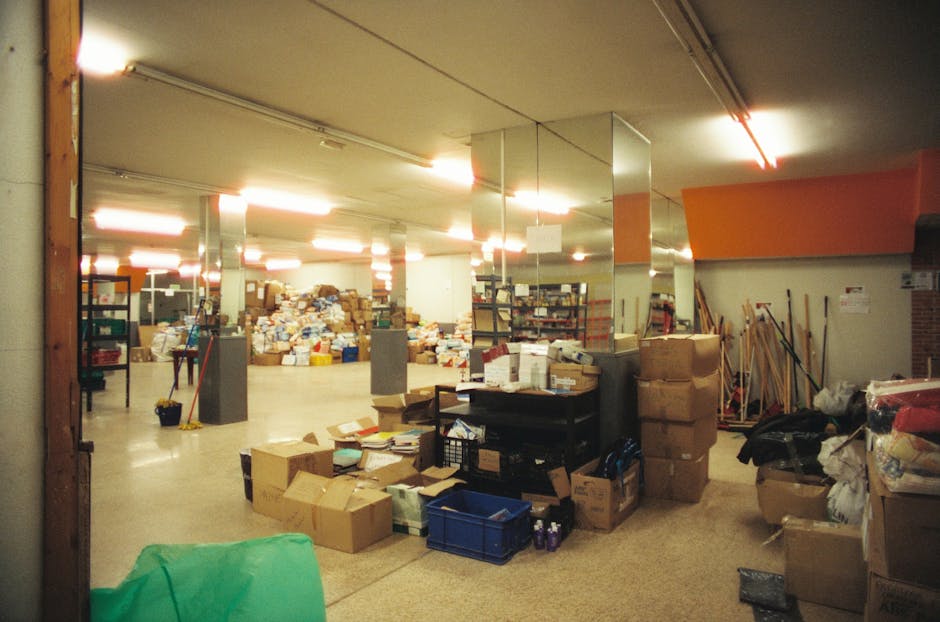
Westbourne Grove Office Rubbish Plan for Small Shops
If you run a small shop in Westbourne Grove, rubbish has a way of building up at the worst possible time. One broken chair, a few delivery boxes, a pile of old paperwork, and suddenly the back room feels tighter than the shop floor at 9:45 on a Saturday morning. A practical Westbourne Grove Office Rubbish Plan for Small Shops gives you a simple way to stay on top of waste without interrupting customers, staff, or trading hours.
This guide is designed for real-world shop life in West London: limited storage, mixed waste streams, neighbours nearby, and not much room for mistakes. You'll find a clear process, practical planning tips, compliance pointers, and a few useful shortcuts for keeping clearance work calm rather than chaotic. To be fair, that is the whole point.
Where useful, we'll also point you towards helpful pages such as business waste removal support, office clearance services, and the company's recycling and sustainability approach.
Table of Contents
- Why Westbourne Grove Office Rubbish Plan for Small Shops Matters
- How Westbourne Grove Office Rubbish Plan for Small Shops Works
- Key Benefits and Practical Advantages
- Who This Is For and When It Makes Sense
- Step-by-Step Guidance
- Expert Tips for Better Results
- Common Mistakes to Avoid
- Tools, Resources and Recommendations
- Law, Compliance, Standards, or Best Practice
- Options, Methods, or Comparison Table
- Case Study or Real-World Example
- Practical Checklist
- Conclusion
- Frequently Asked Questions
Why Westbourne Grove Office Rubbish Plan for Small Shops Matters
Small shops do not generate waste in a neat, predictable way. It arrives in waves. Delivery packaging on Monday, old display items on Wednesday, worn-out stockroom shelving on Friday, and then suddenly the bin area is full and someone is trying to squeeze a bag past the till. A proper rubbish plan stops waste from becoming part of the day's background noise.
Westbourne Grove adds its own twist. The area is busy, pedestrian-heavy, and full of businesses trying to make limited space work hard. If your shop has a stockroom, treatment room, mini office, or customer-facing retail space, waste management needs to be efficient and low-fuss. Nobody wants a pile of cardboard next to the entrance or a broken cabinet blocking access to fire exits. That sort of thing gets noticed fast.
A good plan also helps your business look sharper. Clean back-of-house spaces make ordering easier, reduce trip hazards, and keep staff from wasting time hunting for usable space. Let's face it, clutter multiplies when nobody owns it. A plan gives the rubbish somewhere to go before it takes over.
If your waste includes old desks, counters, stockroom furniture, or display units, the process often overlaps with furniture disposal and broader waste removal services. Knowing that upfront saves a lot of head-scratching later.
How Westbourne Grove Office Rubbish Plan for Small Shops Works
At its core, the plan is simple: identify what waste you produce, decide how it should be sorted, choose a collection method, and set a routine that fits your trading pattern. The best plans are not complicated. They are just specific.
Most small shops end up with a mix of waste types, such as:
- cardboard and packaging from deliveries
- paperwork and archived files
- broken fixtures or display items
- old chairs, shelves, or counters
- general bagged waste from day-to-day operations
- occasional bulky items during refits, stock changes, or closures
The planning process normally starts with a quick audit. You do not need a spreadsheet worthy of a finance director. A walk-through is enough. Open the back room, check the storeroom, glance behind the counter, and look at what gets discarded during one normal week. That gives you the pattern.
From there, you decide what needs immediate removal and what can stay on a regular collection cycle. For example, a small boutique may need weekly bagged waste plus a monthly bulk clearance for cardboard and packaging. A salon or beauty shop may need the same, but with more care around furniture, mirrors, and packaging from equipment upgrades.
When the waste becomes larger or more mixed, a dedicated service can help. Many shop owners prefer a service that handles the lot in one visit rather than trying to organise several mini collections. In practice, one clean sweep is often easier than three half-finished jobs.
Key Benefits and Practical Advantages
A well-structured rubbish plan offers more than tidier corners. It makes the business easier to run.
- Less disruption: collections happen at times that suit your opening hours and staff routines.
- Safer premises: fewer obstructions, fewer loose materials, and less chance of trips or blocked access.
- Better stockroom use: you reclaim storage space instead of letting unusable items sit for weeks.
- Faster clean-downs: end-of-day resets become simpler when waste has a fixed destination.
- Improved presentation: a tidy back area usually means fewer spillovers into customer spaces.
- More predictable costs: planned clearances often work out better than last-minute emergency removals.
There is also a quieter benefit that shop owners feel almost immediately: mental relief. If you've ever stood in a cramped stockroom at 7:15pm wondering where the old till stand should go, you know the difference. A plan replaces that daily irritation with a routine. Small thing, big effect.
Many businesses also like the environmental angle. If waste is sorted properly, more of it can be recycled or reused. That matters to customers too, especially in neighbourhoods where people notice whether businesses are doing the right thing. The company's recycling and sustainability information is useful if you want to understand how materials may be handled.
Who This Is For and When It Makes Sense
This kind of plan makes sense for almost any small shop with limited space and irregular waste output. But some businesses will feel the benefit more quickly than others.
It is especially useful for:
- independent retailers with compact stockrooms
- boutiques and fashion shops with packaging and display waste
- beauty salons and grooming businesses with furniture or equipment changes
- cafes and takeaway-style shops that need careful waste separation
- small offices attached to retail units
- businesses preparing for a refit, move, or seasonal changeover
You may also need a clearer rubbish plan if your staff are constantly moving items between front-of-house and back-of-house areas. The more times an item gets touched, the more likely it is to end up in the wrong place. Happens all the time.
It can be useful during quieter trading periods too. Early morning, just after opening, is often the best time to assess waste without getting in the way of customers. Late evening works for some shops, but only if staff are not already stretched. The right timing depends on your rhythm, not someone else's template.
Step-by-Step Guidance
Here is a practical way to build a rubbish plan that actually works in a small shop.
- List every waste type you produce. Include general rubbish, cardboard, paper, furniture, broken fittings, and any specialist items.
- Measure how often each type appears. Daily, weekly, monthly, or only during seasonal resets. Keep it simple.
- Identify storage constraints. Note where waste sits now and where it tends to block movement.
- Separate what can be recycled. Cardboard, paper, and some furniture materials may be handled differently from general waste.
- Choose a collection method. Regular business waste collection works for recurring rubbish; one-off clearance suits bulkier or mixed items.
- Set collection timings around trade. Avoid peak customer periods if possible.
- Brief staff clearly. If people do not know where waste goes, the plan falls apart within a week.
- Review monthly. If the same pile keeps reappearing, adjust the plan rather than just tolerating it.
A useful trick is to create a "decision point" for each item: keep, recycle, donate, repair, or remove. That one habit stops clutter from lingering. You can even write it on a small notice in the stockroom. Not glamorous, but effective.
Expert Tips for Better Results
Good waste planning is often about tiny habits rather than dramatic changes. A few experienced-led tips can make a real difference.
1. Match waste removal to delivery days. If your deliveries arrive on Tuesday and Thursday, plan clear space before the boxes land. Otherwise you are just stacking waste on top of new stock, which is a recipe for chaos.
2. Keep bulky items out of the way early. A broken display unit is not going to disappear on its own. Put it in one designated spot so it does not migrate through the shop like a tired ghost.
3. Avoid mixed piles. Cardboard, paper, and hard waste should not all get dumped in one corner. Mixed piles slow everything down and can make recycling harder.
4. Choose access-friendly collection windows. Westbourne Grove can be busy, so access planning matters. If a collection vehicle cannot park sensibly, the job takes longer and becomes more disruptive.
5. Use a recurring review point. A short monthly check-in is usually enough. Ask: what is building up, what is being ignored, and what keeps causing delay?
And one more, a bit boring but genuinely useful: keep your waste contractor details somewhere obvious. When you need them, you will not want to rummage through inboxes while standing beside a pile of broken shelving. Been there, seen it, not fun.
Common Mistakes to Avoid
Most rubbish problems in small shops come from delay, vague ownership, or a lack of sorting. The waste itself is rarely the issue. The process is.
- Leaving old stock fixtures "for now": temporary piles become permanent fixtures very quickly.
- Not assigning responsibility: if everyone is responsible, nobody is.
- Using the wrong collection method: a bulky item clearance is not the same as standard business waste collection.
- Ignoring access constraints: narrow entrances, shared stairways, and tight pavement space all matter.
- Forgetting recycling segregation: recyclable materials should be separated early, not guessed at later.
- Delaying disposal before a refit: if you wait until the work starts, the shop becomes messy fast.
Another common slip is assuming that all furniture or office items can be handled the same way. In reality, a small shop might need help with furniture clearance one week and a more general office clearance the next. Different materials, different handling, different outcome. Simple, but easy to miss.
Tools, Resources and Recommendations
You do not need a complex system, just a few practical tools that keep the plan visible and easy to follow.
- Waste log: a notebook or digital sheet to track what leaves the shop and when.
- Labelled bins or bags: one for general waste, one for cardboard, one for recyclables, and one for bulky items waiting collection.
- Simple staff note: a one-page guide stuck in the stockroom can prevent misunderstandings.
- Photo record: useful if you want to compare before-and-after spaces or explain what needs removing.
- Clear access route: keep hallways, back doors, and shared entrances unobstructed when collections are due.
If you are comparing providers, the company's pricing and quotes page is a sensible place to start. It helps to understand how estimates are framed before you book anything. For added confidence, look through the health and safety policy and insurance and safety information so you know what standards are being followed.
For general background about the business, the about us page can help you get a feel for the service style, and the contact page is the obvious next step if you want a tailored conversation. Sometimes the quickest route is still the best one.
Law, Compliance, Standards, or Best Practice
Waste planning for shops should always be handled with care and in line with normal UK business expectations. The exact requirements depend on the type of waste, how it is stored, and who removes it. If you handle trade waste, you should use a lawful collection route and keep records where needed. If you are unsure, it is better to ask early than guess and hope for the best.
A few best-practice principles apply in most situations:
- keep waste stored safely and without creating trip or fire risks
- separate recyclables where practicable
- avoid leaving waste in public access routes
- use a provider that is transparent about collection, handling, and disposal
- make sure staff understand what can and cannot be mixed together
For business owners, this is as much about everyday discipline as formal compliance. If a storage area starts smelling stale, looks overfilled, or makes movement awkward, that is already a sign the system needs attention. You do not need to wait for a bigger problem.
When in doubt, choose a provider that is upfront about process and safety. It is also worth checking general terms, security, and policy pages such as terms and conditions and payment and security so expectations are clear before booking.
Options, Methods, or Comparison Table
Small shops usually have three main ways to handle office and shop rubbish. The right choice depends on volume, timing, and how much disruption you can tolerate.
| Method | Best for | Strengths | Watch-outs |
|---|---|---|---|
| Regular business waste collection | Daily or weekly recurring rubbish | Predictable, simple, good for routine waste | Not ideal for bulky or mixed items |
| One-off rubbish clearance | Stockroom clear-outs, refits, temporary surges | Fast, flexible, handles larger volumes | Needs good preparation to avoid delays |
| Hybrid plan | Shops with steady waste plus occasional bulky items | Balanced, practical, usually easiest long term | Requires a bit more organisation |
For most small shops in Westbourne Grove, the hybrid approach is the sweet spot. It keeps everyday waste under control while leaving room for those awkward jobs that appear without warning. A new counter, a burst of packaging after a delivery, a broken shelf after closing time - all normal enough, but not something you want hanging around for days.
Case Study or Real-World Example
Imagine a small independent shop on Westbourne Grove with a modest stockroom at the back, a few desks for admin work, and regular cardboard waste from deliveries. Over time, the team starts stacking empty boxes near a side wall. Then an old chair gets moved there. Then a damaged shelving unit. Then some outdated paperwork is left "just for now".
Nothing dramatic happens at first. The room just gets harder to use. Staff can't reach the back shelves comfortably, deliveries take longer to unpack, and a corner starts feeling permanently cramped. One rainy afternoon, with the pavement busier than usual and a few bags waiting outside, the owner realises the shop has become awkward to run.
The fix is not complicated. The owner separates cardboard from general rubbish, schedules a small clearance for the furniture and shelving, and creates a monthly review point. The back room becomes usable again. Staff move faster. The till area looks better because clutter no longer spills into sight. A simple change, but it changes the whole feel of the shop.
That is the pattern we see again and again. Once the waste system is visible, the business relaxes a little. Not dramatically. Just enough.
Practical Checklist
Use this checklist to build or review your shop rubbish plan.
- Have you identified every type of waste your shop produces?
- Do you know which waste is recurring and which is occasional?
- Is there a clear place for cardboard, general waste, and bulky items?
- Are staff told where each item should go?
- Have you checked whether any items need specialist handling?
- Is collection timed to avoid peak trading hours?
- Do you have access routes clear for removal?
- Are recycling opportunities being used properly?
- Is there a monthly review of what is piling up?
- Do you know who to contact when the plan needs adjusting?
If you can tick most of those off, you are already ahead of many small shops. If not, don't worry. Start with one change and build from there. Waste systems improve quickly once someone actually owns them.
Conclusion
A smart Westbourne Grove Office Rubbish Plan for Small Shops is less about "clearing rubbish" and more about making your business easier to run. It keeps space usable, reduces stress, supports staff, and helps the shop present itself well every day. That matters in a busy area where first impressions come fast and storage space is always at a premium.
The best plans are simple, specific, and reviewed often. Start with the waste you already have, separate what can be reused or recycled, and choose a collection method that fits your trading rhythm. If you need help with bulky items, mixed waste, or a one-off clearance, it is worth speaking to a specialist rather than trying to force everything into a standard bin routine.
Get a free quote today and see how much you can save.
And if you're standing in a cramped back room right now thinking, "yes, this is overdue," that's a perfectly fine place to start.
Frequently Asked Questions
What is a Westbourne Grove Office Rubbish Plan for Small Shops?
It is a practical waste management plan that helps a small shop organise, store, sort, and remove office or shop rubbish without disrupting daily trading. It usually covers general waste, cardboard, furniture, and occasional bulky items.
Why do small shops in Westbourne Grove need a separate rubbish plan?
Because space is tight, footfall can be busy, and waste often comes in mixed forms. A clear plan helps keep stockrooms usable, reduces clutter, and avoids rubbish spilling into customer-facing areas.
How often should a small shop clear office rubbish?
That depends on volume. Many shops benefit from regular weekly or monthly checks, plus ad hoc clearances for bulky items or refits. If waste builds faster than it leaves, the schedule needs adjusting.
Can cardboard and general waste be collected together?
Sometimes yes, but it is usually better to separate them where possible. Cardboard is often easier to recycle when it is kept clean and dry, while mixed waste can complicate the process.
What kinds of items count as office rubbish in a small shop?
Typical examples include old desks, chairs, shelving, filing materials, broken fixtures, packaging, redundant equipment, and unwanted admin items. In retail settings, it can also include display units and stockroom furniture.
How do I know if I need business waste removal or office clearance?
If you have ongoing day-to-day rubbish, business waste removal may suit you. If you need a bigger one-off job, such as clearing furniture or old fittings, office clearance is often the better fit.
Is it worth booking a one-off clearance for a small shop?
Yes, especially if the shop has accumulated bulky items or the stockroom has become difficult to use. A one-off clearance can reset the space quickly and give you a cleaner system to work with.
How can I keep rubbish from building up in the stockroom?
Assign a clear place for waste, set a regular review time, and make sure staff know what gets removed immediately and what waits for collection. Small habits prevent big piles.
What should I check before booking a clearance service?
Check the provider's pricing, insurance, safety information, and terms. It also helps to understand how they handle recycling and whether they can manage the specific items you need removed.
Are there compliance issues I should think about?
Yes. Waste should be stored safely, handled responsibly, and removed by a suitable provider. If you are unsure about a particular item or waste stream, it is best to ask for guidance before disposal.
Can a rubbish plan help my shop look better to customers?
Absolutely. Even if customers never see the back room, tidy waste habits usually improve the whole feel of the business. Staff work faster, clutter stays under control, and the shop tends to look more professional overall.
What is the easiest first step if my shop is already cluttered?
Start with a quick sort: keep, recycle, remove, or maybe later. Then book a clearance for the items that are taking up real space. Once the worst of it is gone, the rest becomes much easier to manage.
For more background or to arrange a tailored discussion, you can also review the company's business waste removal service and then head to the contact page when you are ready. Sometimes a short conversation clears up more than an afternoon of sorting ever will.