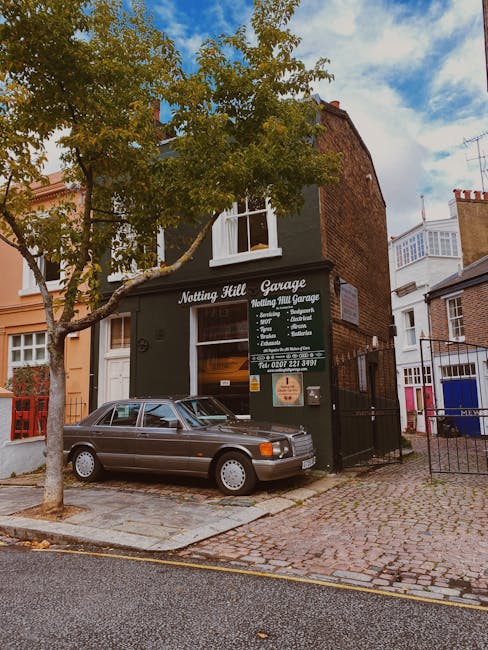
Notting Hill Gate House Clearance and Rubbish Removal Tips
If you are staring at a packed flat, a family house full of mixed belongings, or a pile of awkward rubbish that has somehow grown overnight, you are not alone. Notting Hill Gate house clearance and rubbish removal tips matter because this part of London often comes with tight access, stairs, limited parking, and neighbours who really do notice the comings and goings. A smooth clearance is not just about getting rid of things. It is about doing it safely, legally, and with as little disruption as possible.
In this guide, you will find a practical, human-friendly walkthrough of how to plan a clearance, what to sort first, how to avoid common mistakes, and when a professional service makes life much easier. You will also see how related services such as house clearance, waste removal, and furniture disposal can fit into a wider, cleaner plan. Let's keep it simple and useful.
Table of Contents
- Why Notting Hill Gate house clearance and rubbish removal tips matters
- How Notting Hill Gate house clearance and rubbish removal tips works
- Key benefits and practical advantages
- Who this is for and when it makes sense
- Step-by-step guidance
- Expert tips for better results
- Common mistakes to avoid
- Tools, resources and recommendations
- Law, compliance, standards, or best practice
- Options, methods, or comparison table
- Case study or real-world example
- Practical checklist
- Conclusion
- Frequently asked questions
Why Notting Hill Gate house clearance and rubbish removal tips Matters
A clearance can look straightforward until you start moving things. Then the practical realities appear: narrow hallways, top-floor flats, items too large for the lift, and waste that needs separating properly. In Notting Hill Gate, these issues are even more noticeable because local streets are busy and space is at a premium. That means a bit of planning saves a lot of time, stress, and backache.
It also matters because different waste streams need different handling. A broken wardrobe, an old mattress, a bag of mixed junk, and a few bags of garden cuttings are not all treated the same way. If you rush the job, you can end up with extra costs, repeated trips, or items dumped in the wrong place. Nobody wants that, least of all the person who has to clear it up later.
There is another side to it too: emotional load. House clearance is often tied to a move, a bereavement, downsizing, or a long-overdue reset. So yes, there is logistics involved, but there is also a very human side. A calm plan makes the whole thing feel less like chaos and more like progress. Small win, but a real one.
How Notting Hill Gate house clearance and rubbish removal tips Works
The best clearances follow a simple sequence: assess, sort, protect, remove, and finish. That sounds basic, because it is. The trick is doing each stage properly.
First, walk through the property and identify what is staying, what is going, and what needs special handling. Then group similar items together: furniture, electricals, general rubbish, textiles, paperwork, and anything that might be reusable or recyclable. Once that is done, you can decide whether the job is a light household declutter, a full house clearance, or a mixed clearance with bulky waste removal.
If you are dealing with a flat, access matters a lot. You may need to protect corners, keep a route clear, and schedule the load-out carefully. If you are dealing with a loft or garage, expect dust, awkward angles, and more sorting than you first imagined. Truth be told, the "we'll just wing it" approach rarely works here.
Professional services generally work best when the customer has already separated anything personal, valuable, or sensitive. That makes the job faster and avoids awkward surprises. For example, a drawer full of old keys and bank letters can hold things you really do not want mixed into a general waste load. You will notice the difference when everything is labelled or bagged before the team arrives.
Key Benefits and Practical Advantages
Done well, a proper clearance is more than tidy-up work. It gives you room, clarity, and momentum. A cleared room is easier to clean, easier to sell, and easier to use again. In a city setting, that matters because space is not exactly abundant.
- Less stress: clear sorting reduces the feeling of being overwhelmed.
- Faster progress: when items are grouped, removal becomes much more efficient.
- Better recycling outcomes: separated materials are easier to divert from landfill.
- Safer handling: heavy, sharp, or unstable items can be managed more carefully.
- Cleaner finish: a proper removal leaves the space ready for the next step, whether that is decorating, letting, or sale.
There is also a practical benefit people sometimes overlook: you can often spot what is worth keeping once the clutter has gone. A room that felt unusable yesterday can suddenly feel manageable by lunchtime. That bit of visual relief is surprisingly powerful.
If you want to understand the broader service picture, the pages on home clearance, loft clearance, and garage clearance show how different parts of a property can be handled in a more structured way.
Who This Is For and When It Makes Sense
This guide is useful if you are a homeowner, landlord, tenant, executor, property manager, or anyone trying to clear a space without turning the whole week upside down. It is especially relevant if the property contains bulky furniture, mixed rubbish, or items that have built up over several years.
It makes sense to use these tips when:
- you are preparing a property for sale or new tenants
- you are downsizing and need a structured sort-out
- you have inherited a home with a full contents clearance
- you need bulky waste removed from a flat or basement
- you are dealing with post-renovation clutter alongside household items
- you simply want a cleaner, safer space with less mess underfoot
Some people try to treat this like a weekend tidy. Sometimes that works. Often it does not. If the house contains mixed waste, heavy furniture, or things that need disposal carefully, a more considered approach is usually the better call.
Step-by-Step Guidance
- Start with a room-by-room review. Do not begin by moving everything into the hallway. That just creates a bottleneck. Instead, make decisions room by room so you do not lose track of what belongs where.
- Set aside the must-keep items immediately. Put passports, deeds, keys, medication, chargers, cash, and personal paperwork somewhere safe. This sounds obvious, but in the middle of a clearance it is easy to overlook the small things.
- Separate reusable, recyclable, and general waste. Furniture, textiles, cardboard, metal, and electrical items often follow different routes. Keep them apart where possible.
- Measure awkward items before removal day. Stairs, door frames, and lifts can all become obstacles. A sofa that looks fine in the room can suddenly feel enormous in a narrow landing.
- Check for restricted or specialist items. Paint, chemicals, certain electricals, and other hazardous materials may need special handling. If in doubt, do not mix them with normal rubbish.
- Book the right level of support. A small load may suit a simple waste collection, while a full property clear is better handled as a dedicated flat clearance or house clearance.
- Prepare access before the team arrives. Unlock gates, clear stairwells, and make sure parking or loading arrangements are as good as they can be. In Notting Hill Gate, this can be half the battle.
- Do a final sweep. Check cupboards, loft hatches, behind doors, under beds, and in the top drawer nobody remembers. That's where the odd surprises live.
A good tip: make one "uncertain" box for items you are not ready to decide on. It keeps the process moving without forcing quick decisions on things with sentimental value. No drama. Just practical.
Expert Tips for Better Results
Here is where experience really helps. The biggest time-saver is sorting before removal, not during it. It sounds dull, I know, but a little prep can cut the job down noticeably.
Tip one: take photos of awkward items and access points before you start. That helps you think through the route and spot potential snags. A low ceiling in a loft, for instance, can change how a wardrobe is handled.
Tip two: stack items by type rather than by room once you have decided what is going. That makes loading more efficient and helps with recycling and disposal.
Tip three: protect floors and walls if you are moving bulky furniture yourself. Old timber floors, polished hallways, and freshly painted skirting boards do not forgive careless corners. Not at all.
Tip four: if you are clearing a property after a tenancy or sale, keep an eye out for forgotten storage spaces. Cupboards, under-stair spaces, sheds, and loft voids often hold more than expected. More than expected, sometimes far more.
Tip five: if you are unsure whether something can be reused or recycled, ask before treating it as rubbish. That one habit can improve the environmental outcome and reduce disposal friction. The service page on recycling and sustainability is a useful reminder that responsible disposal is not a side issue; it is part of the job.
Common Mistakes to Avoid
Most clearance headaches come from a handful of avoidable mistakes. They are common because people are usually in a hurry.
- Leaving sorting until the last minute: this turns the job into a guessing game.
- Mixing valuables with waste: receipts, letters, jewellery, and documents can disappear in seconds.
- Blocking access routes: once the hallway is packed, everything slows down.
- Underestimating weight and bulk: that old sideboard is heavier than it looks, as you already know by now.
- Forgetting specialist items: certain waste needs separate handling and should not be bundled together.
- Ignoring the end clean: if the space is being handed over, sold, or rented, dust and debris matter too.
Another mistake is trying to do too much in one pass. If the property is large or emotionally difficult, it can be wiser to break the task into manageable stages. There is nothing weak about that. Quite the opposite, actually.
Tools, Resources and Recommendations
You do not need a van full of equipment to get organised, but a few basics will make the process easier.
- Heavy-duty bags and boxes: good for smaller mixed waste and sorting items by category
- Labels or marker pens: ideal for marking keep, donate, recycle, and remove
- Gloves: useful when handling dusty, sharp, or dirty items
- Protective blankets or sheets: helpful for furniture and floor protection
- Tape measure: a small thing, but brilliant for awkward clearances
- Phone camera: handy for access photos and quick inventory notes
For service planning, it can help to think in terms of task type rather than just volume. A single bulky sofa may be more awkward than several bags of light rubbish. A loft full of boxes may be slower than a garage with obvious waste. And a full contents clearance can require a very different approach again.
Relevant service pages like furniture clearance and furniture disposal are especially useful when large items are taking up too much room to move easily. If the job also involves renovation leftovers, builders waste clearance may be the better fit.
Law, Compliance, Standards, or Best Practice
For this kind of work, the safest approach is to follow accepted UK waste-handling practice and choose a provider that treats rubbish properly rather than casually. In plain English: waste should be sorted, transported, and disposed of responsibly, and you should be wary of anyone who cannot explain where your rubbish is going.
If you are arranging a clearance, sensible due diligence includes checking that the company has clear policies around safety, insurance, security, and complaint handling. The site pages on insurance and safety, health and safety policy, terms and conditions, and complaints procedure give readers a better sense of that wider framework.
Where documents, personal records, or confidential material are involved, you should take extra care before items leave the property. That is especially true in homes that have doubled as workspaces, or where old files have been stored in cupboards for years. Not glamorous, but important.
Best practice also means being realistic about access and safety. If something is too heavy to carry safely, too sharp to handle without protection, or too awkward to move alone, do not force it. Common sense still counts for a lot here.
Options, Methods, or Comparison Table
Different jobs need different approaches. The table below gives a practical comparison so you can judge what fits best.
| Method | Best for | Strengths | Limitations |
|---|---|---|---|
| Self-clearance | Small amounts of rubbish or a few items | Flexible timing, direct control | Time-consuming, physically demanding, access and disposal can be tricky |
| Bulky item removal | Sofas, wardrobes, mattresses, appliances | Good for large single items, simpler planning | Less suitable for full-property clearances |
| House clearance service | Full or partial home clearances | Structured, efficient, ideal for complex jobs | Needs more planning upfront |
| Waste removal service | Mixed rubbish, recurring waste, lighter clear-outs | Convenient and adaptable | May not suit deeply cluttered or contents-heavy properties |
| Specialist room clearance | Lofts, garages, flats, gardens, offices | Targets the problem area directly | May not cover the whole property |
As a rule of thumb, the more varied the contents, the more useful a structured service becomes. A tidy plan beats a heroic guess, every time.
Case Study or Real-World Example
Picture a second-floor flat near Notting Hill Gate on a damp Tuesday morning. Nothing dramatic, just one of those homes where life has left a trail: a sofa that no longer fits the room, three bags of old clothes, a broken bedside cabinet, several boxes of books, and a loft hatch with more mystery than anyone wants.
The best outcome in a case like this usually comes from a simple sequence. First, the resident keeps personal paperwork, jewellery, chargers, and keepsakes aside. Next, the furniture is separated from loose rubbish, and the book boxes are checked for donations or recycling. Then access is cleared, the route to the stairwell is protected, and bulky items are taken out in the right order so the job does not become a traffic jam in the hallway. Not glamorous, no, but very effective.
What makes the difference is not speed alone. It is clarity. Once the obvious keep items are safe and the disposal categories are sorted, the flat feels less burdensome almost immediately. The room stops arguing with you, if that makes sense. People tend to breathe a bit easier after that first load is gone.
Practical Checklist
- Walk through every room before moving anything
- Remove personal documents, valuables, and medications first
- Separate furniture, electricals, textiles, and general rubbish
- Identify anything hazardous or specialist
- Measure bulky items and check access points
- Clear hallways, stairwells, and loading routes
- Protect floors, walls, and corners where needed
- Decide whether you need flat clearance, home clearance, or simple waste removal
- Keep a box for items you are unsure about
- Do a final check of cupboards, lofts, and hidden storage
- Confirm safety, pricing, and service terms before the work starts
- Take a quick look around after the clearance to make sure nothing personal has been missed
Expert summary: the smartest clearances are rarely the fastest to start. They are the ones where sorting happens early, access is planned properly, and rubbish is handled in the right category from the beginning. That is the difference between a stressful day and a decent one.
Get a free quote today and see how much you can save.
Conclusion
Notting Hill Gate house clearance and rubbish removal tips come down to one simple idea: do the right things in the right order. Sort before you shift. Protect access before you start lifting. Treat bulky waste, furniture, and household contents as different problems, not one big mess. That mindset saves time, protects the property, and makes the whole process feel much more manageable.
If your clearance is small, you may be able to handle it yourself with a bit of discipline and a few strong bags. If it is larger, more emotional, or more awkward than it first appears, a professional approach is usually worth it. Either way, the aim is the same: clear the space properly and leave yourself with a clean beginning, not another headache. And honestly, that fresh start can feel surprisingly good.
Frequently Asked Questions
What is the best way to start a house clearance in Notting Hill Gate?
Start with a room-by-room review and separate keep, donate, recycle, and remove piles before anything is carried out. That keeps the job organised and prevents mistakes.
How do I deal with bulky furniture during rubbish removal?
Measure the item, check access routes, protect walls and floors, and decide whether it should be removed as furniture clearance or general waste removal. Large pieces are often slower than they look.
Is it better to clear a flat in one go or in stages?
If the property is heavily cluttered or emotionally difficult, stages can be easier. A full clear works well too, but only if access and sorting are planned properly.
What should I remove first in a house clearance?
Always remove personal documents, valuables, medication, and important paperwork first. After that, sort the rest by category rather than randomly shifting items around.
Can I mix furniture and general rubbish together?
It is better not to. Furniture often follows a different disposal route, and separating it can improve recycling and reduce confusion on removal day.
When should I use a professional house clearance service?
Use one when the property is full, access is difficult, items are bulky, or you need the job completed quickly and cleanly. It is especially useful for full contents clearance.
What kind of waste needs special care?
Hazardous materials, certain electrical items, liquids, and anything sharp or contaminated should be handled carefully. If you are unsure, do not mix them with normal rubbish.
How can I save time on the day of removal?
Pre-sort the items, clear access routes, label boxes, and set aside anything that is staying. A tidy staging area makes a big difference, especially in a narrow London property.
What if I only have a few rooms to clear?
Then you may only need a focused service such as garage clearance, loft clearance, or a small waste removal job. Not every project needs a full house clearance.
How do I know if a clearance provider is trustworthy?
Look for clear safety information, sensible terms, transparent pricing, and a straightforward complaints process. Good providers are usually happy to explain how they handle waste and access.
What is the biggest mistake people make with rubbish removal?
The biggest mistake is starting without sorting. Once everything is piled together, it becomes slower, more expensive, and much harder to keep track of anything valuable or reusable.
Can a clearance include recycling and responsible disposal?
Yes, and it should wherever possible. Responsible handling is part of good practice, and it helps keep the process cleaner, simpler, and more environmentally sensible.